


Have you ever wished your clear eyeglasses could instantly turn into sunglasses the moment you step outside? That is exactly what photochromic glasses do. Photochromic spectacles, also called self-tinting glasses or transition glasses, automatically darken when exposed to UV light, offering a seamless solution for varying light conditions.
These glasses that get darker in the sun combine convenience, protection, and style in one versatile package. This comprehensive guide will explore how eyeglasses with photochromic lenses work, their numerous advantages, the different types available, and how to choose the perfect pair that matches your lifestyle, including luxury eyeglass frames that change color.
How Photochromic Lenses Work?
Photochromic lenses contain special molecules embedded within the lens material that make these glasses get darker in sunlight. These molecules are typically silver halide or organic compounds that react to ultraviolet (UV) radiation through a fascinating chemical process.
The Three-Stage Process:
- Clear State (Indoors): Molecules remain in their original state with minimal UV exposure, keeping lenses transparent
- Activation (Outdoors): UV rays trigger molecular transformation, causing lenses to darken within seconds
- Reversal (Return Indoors): Absence of UV rays allows molecules to revert, clearing the lenses gradually
This is a UV-triggered chemical reaction, not just a change in brightness or a simple filter effect. The process is entirely reversible and can occur thousands of times throughout the life of your self-tinting glasses without degradation.
Temperature’s Role:
- Cold Weather: Allows molecules to darken more intensely (ideal for winter sports)
- Hot Weather: May result in slightly lighter tints due to inhibited chemical reaction
- Optimal Range: Moderate temperatures provide balanced transition speed and intensity
This sophisticated mechanism allows adaptive protection wherever you go, automatically adjusting to your environment without any action required from you.
Benefits of Photochromic Spectacles
Colour changing spectacles offer far more than novelt, they provide practical, health-focused advantages that enhance daily life. Understanding these benefits helps you appreciate why photochromic transition glasses have become increasingly popular.
Core Benefits at a Glance:
| Benefit | Description | Best For |
| Seamless Transition | One pair works indoors and outdoors | Frequent environment changers |
| 100% UV Protection | Blocks UVA and UVB rays constantly | Everyone, especially outdoor enthusiasts |
| Reduced Eye Strain | Gentle light adaptation | Screen users, office workers |
| Cost Efficiency | Eliminates separate sunglasses need | Budget-conscious buyers |
| Convenience | No switching or carrying multiple pairs | Active lifestyles |
UV Protection That Never Stops
Eyeglasses with photochromic lenses provide comprehensive protection against harmful ultraviolet radiation, blocking 100 percent of both UVA and UVB rays regardless of whether they appear clear or darkened. This constant protection is crucial because UV damage is cumulative over time and can contribute to:
- Cataracts
- Macular degeneration
- Photokeratitis (sunburn of the eye)
- Pterygium (growth on the eye’s surface)
Even when photochromic lenses appear only lightly tinted or completely clear indoors, the UV-blocking properties remain fully active.
Reduced Eye Strain for Modern Life
Modern life involves significant screen time, frequent lighting changes, and extended periods of visual concentration. These glasses that get darker in the sun help reduce eye fatigue by automatically adjusting to optimal light levels. The gentle, gradual adaptation to changing light conditions is far less jarring than abruptly switching between clear glasses and dark sunglasses—perfect for screen users who transition between indoor and outdoor environments.
Who Benefits Most?
Ideal Candidates for Self Tinting Glasses:
- Active Individuals: Outdoor sports enthusiasts, hikers, cyclists who need adaptive protection
- Drivers: Appreciate automatic adjustment in tunnels and covered parking areas
- Children: Less likely to remember switching glasses, yet need consistent UV protection
- Light-Sensitive People: Those with photophobia or migraine triggers
- Seniors: May struggle with handling multiple pairs
- Professionals: Who move frequently between indoor meetings and outdoor activities
What Types and Variations Should You Consider?
Not all eyeglasses with photochromic lenses perform the same. Understanding the key differences helps you select photochromic transition glasses that match your specific needs and lifestyle.
Speed of Transition
| Lens Generation | Darkening Time | Clearing Time | Best For |
| Premium/Latest | 30-60 seconds | 90 seconds – 2 minutes | Frequent changers |
| Mid-Range | 1-2 minutes | 2-3 minutes | General use |
| Entry-Level/Older | 3-5 minutes | 5+ minutes | Budget-conscious |
Modern lenses react in seconds premium options respond in as little as 30 seconds outdoors and clear within 90 seconds to two minutes indoors. For people who frequently move between environment, such as delivery professionals, real estate agents, or urban commuter, faster transition times make a meaningful difference.
Tint Intensity and Environmental Factors
Environmental conditions like heat or car windows can affect how your colour changing spectacles perform. Understanding these limitations helps set realistic expectations.
Factors Affecting Darkening:
- UV Exposure: Direct sunlight provides full activation
- Car Windshields: Most block UV rays, limiting darkening (70-80% less than outdoor darkening)
- Altitude: Higher elevations with stronger UV result in darker tints
- Surface Reflection: Snow, water, and sand increase UV exposure and darkening
Newer photochromic technologies incorporate visible light-reactive molecules that respond not just to UV but also to the visible light spectrum, allowing better performance behind windshields.
Colour Options for Different Activities
Available Tint Colors and Their Benefits:
| Tint Color | Light Reduction | Best Activities | Visual Effect |
| Gray | Even, neutral | Driving, general outdoor use | No color distortion |
| Brown/Amber | Enhanced contrast | Golf, tennis, baseball | Warmer, better depth perception |
| Green | Balanced contrast | Golf, baseball | Maintains color accuracy |
| Blue/Purple | Moderate | Fashion, casual wear | Stylistic, slight color shift |
Gray tints remain the most popular for glasses that get darker in sunlight because they reduce overall brightness without distorting colors, making them ideal for driving and everyday wear.
Lens Compatibility
Prescription Types That Work With Photochromic Technology:
- Single Vision (nearsighted, farsighted, reading)
- Bifocals (dual prescription zones)
- Progressive/Multifocal (gradual transition, no lines)
- High-Index (thinner for strong prescriptions)
- Astigmatism Correction
- Computer/Digital Lenses
- Safety/Impact-Resistant Lenses
This versatility means virtually anyone requiring prescription eyewear can benefit from self-tinting glasses without sacrificing their preferred lens design.
How Does Luxury Fashion Meet Photochromic Technology?
Photochromic technology now blends seamlessly with high-end fashion, creating eyeglass frames that change color while making sophisticated style statements. Luxury brands have embraced this technology, recognizing that discerning customers want both superior optical performance and distinctive aesthetics.
Prada:
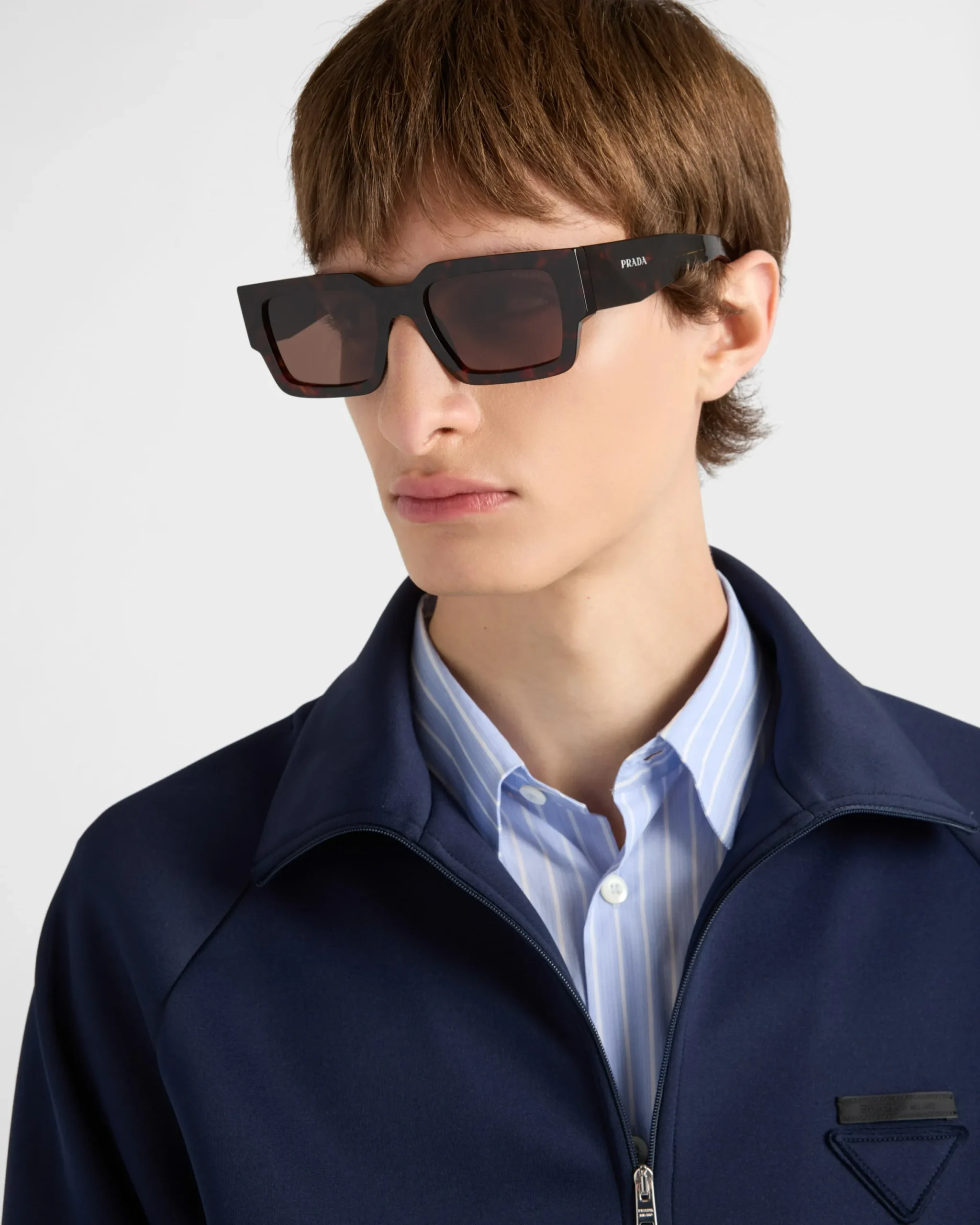
Sleek frames with innovative lenses for the fashion-forward define Prada’s approach to photochromic transition glasses. Their collections offer:
- Lightweight yet durable Italian acetate and titanium constructions
- Distinctive temple designs with subtle brand signatures
- Contemporary silhouettes that complement professional and casual settings
- Seamless integration of photochromic technology with minimalist aesthetics
Prada photochromic glasses work equally well in boardrooms and beachside cafes, offering versatility that matches the adaptive nature of the lenses themselves.
Tom Ford

Bold, sophisticated styles perfect for indoor and outdoor use characterize Tom Ford‘s colour changing spectacles:
- Oversized silhouettes that make strong fashion statements
- Distinctive metal details and luxurious finishes
- Rich color palettes including tortoiseshell, black, and bold hues
- Premium materials with impeccable craftsmanship
Their glasses that get darker in the sun are designed for individuals who want eyewear that commands attention while providing practical benefits for any setting.
Burberry
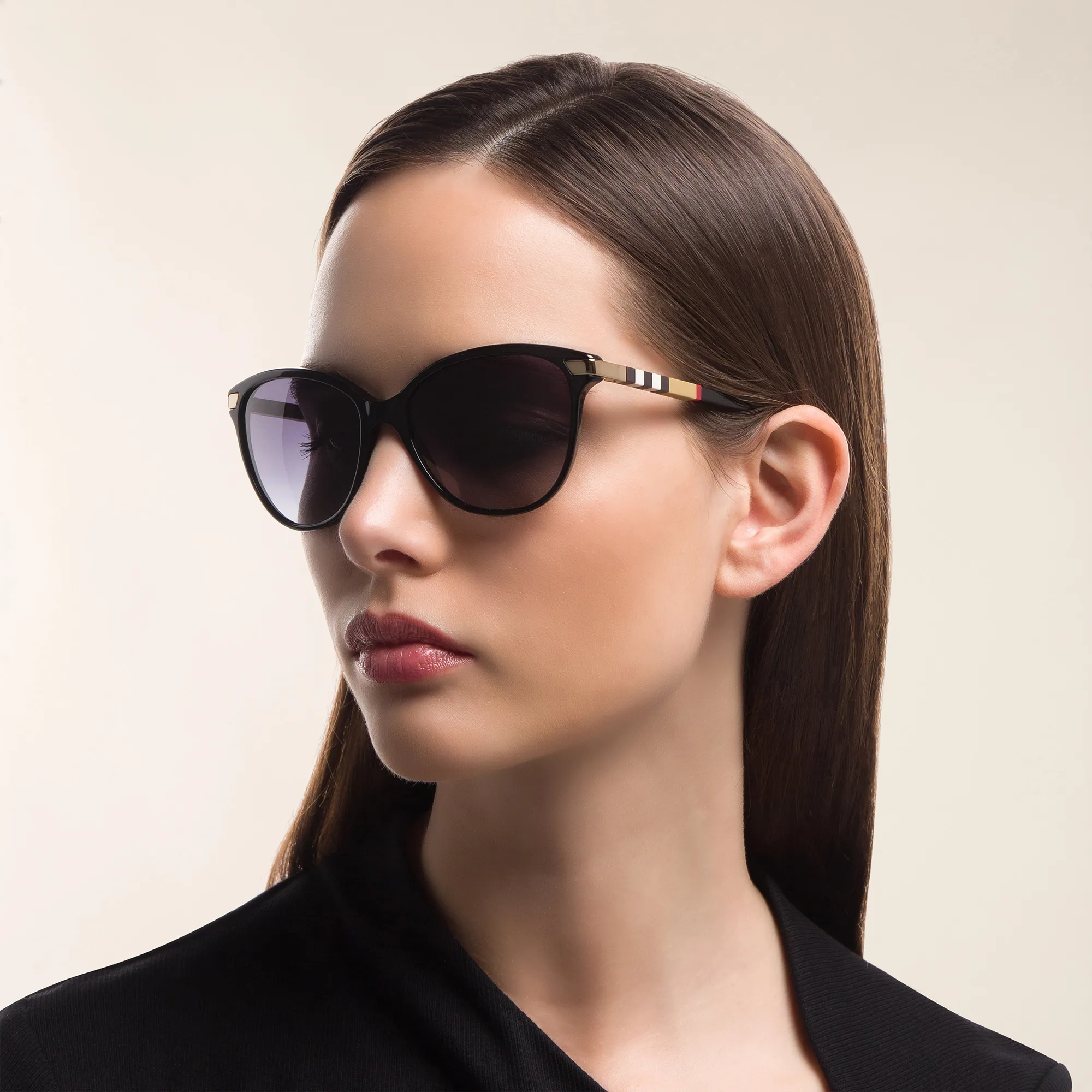
Classic elegance with adaptive lens functionality represents Burberry’s contribution to eyeglass frames that change color:
- Iconic check patterns and heritage-inspired designs
- Refined colorways that never go out of style
- Quality materials built to last
- Balance of traditional elegance with modern functionality
For professionals and style-conscious individuals who appreciate enduring design over fleeting trends, Burberry self-tinting glasses offer both luxury brand prestige and practical utility as investment pieces.
Why Choose Designer Photochromic Frames?
Advantages of Luxury Eyeglass Frames That Change Color:
| Feature | Benefit |
| Premium Materials | Greater durability and comfort |
| Superior Craftsmanship | Better fit and longer lifespan |
| Fashion Statement | Elevates personal style |
| Optical Excellence | Advanced lens technology integration |
| Warranty Support | Better after-purchase care |
| Resale Value | Maintains value over time |
Turakhia Eyewear: Your Destination for Premium Photochromic Glasses
At Turakhia Eyewear, we believe you should not compromise between style, protection, and comfort. We specialize in carefully curated eyeglasses with photochromic lenses from renowned designers, ensuring you find the perfect pair of glasses that get darker in sunlight.
What We Offer:
- Designer Collection: Premium eyeglass frames that change color from Prada, Tom Ford, and Burberry
- Intelligent Technology: Latest self-tinting glasses with rapid transition speeds
- Expert Guidance: Personalized consultation on lens options and frame selection
- Prescription Precision: Accurate fitting for all prescription types
- Quality Assurance: Only authentic designer frames with genuine photochromic lenses
Our Process:
- Consultation: Understanding your lifestyle, prescription needs, and style preferences
- Frame Selection: Trying multiple designer options to find your perfect match
- Lens Customization: Selecting tint color, transition speed, and additional coatings
- Precision Fitting: Ensuring optimal comfort and vision correction
- Ongoing Support: Adjustments, maintenance advice, and warranty assistance
Visit Turakhia Eyewear to experience colour changing spectacles that combine luxury fashion with cutting-edge optical technology. Our team is dedicated to helping you discover photochromic transition glasses that enhance both your vision and your personal style.
Conclusion
Photochromic glasses are a smart, stylish, and health-conscious solution for modern life. They combine optical innovation with convenience, protecting your eyes while adapting to light with remarkable precision. Whether for practicality or luxury, self-tinting glasses of luxury sunglasses simplify daily routines and elevate your look effortlessly. The investment in quality photochromic eyewear pays dividends in comfort, style, and long-term eye health, making them an increasingly popular choice for people of all ages and lifestyles. From the science behind the lenses to the luxury frames that showcase them, photochromic glasses represent the perfect marriage of technology and fashion.
Frequently Asked Questions
Do photochromic glasses work in the car?
Most windshields filter UV rays, so lenses may darken less inside vehicles. However, they still reduce glare, provide constant UV protection from side windows, and offer some adaptive tinting that enhances visual comfort while driving. Newer photochromic technologies that react to visible light perform better behind windshields.
How long do they take to change?
Modern lenses transition within 30 seconds to 2 minutes when exposed to UV light outdoors. The reverse process—clearing when you return indoors—usually takes between 90 seconds and five minutes, depending on the darkness level achieved and ambient temperature. Premium lenses offer the fastest transition times.
Are they suitable for driving?
Yes, though in-car tinting may be reduced because windshields block most UV rays. Faster-activation lenses offer maximum comfort, and photochromic glasses still provide excellent benefits for drivers including UV protection, glare reduction, and elimination of the need to switch between prescription glasses and sunglasses.
Can I get them in any frame?
Yes, photochromic technology works with single vision, bifocal, progressive, and high-index frames. The technology is remarkably versatile and compatible with virtually any frame style and prescription type, allowing you to enjoy adaptive tinting without sacrificing your preferred design.
How do I care for self-tinting glasses?
Clean with a soft microfiber cloth, avoid harsh chemicals, and store in a protective case. Use lukewarm water and gentle dish soap if needed. Avoid paper towels or clothing that can scratch lenses. Don’t leave glasses in extremely hot environments like car dashboards, as excessive heat can affect photochromic performance over time.




