


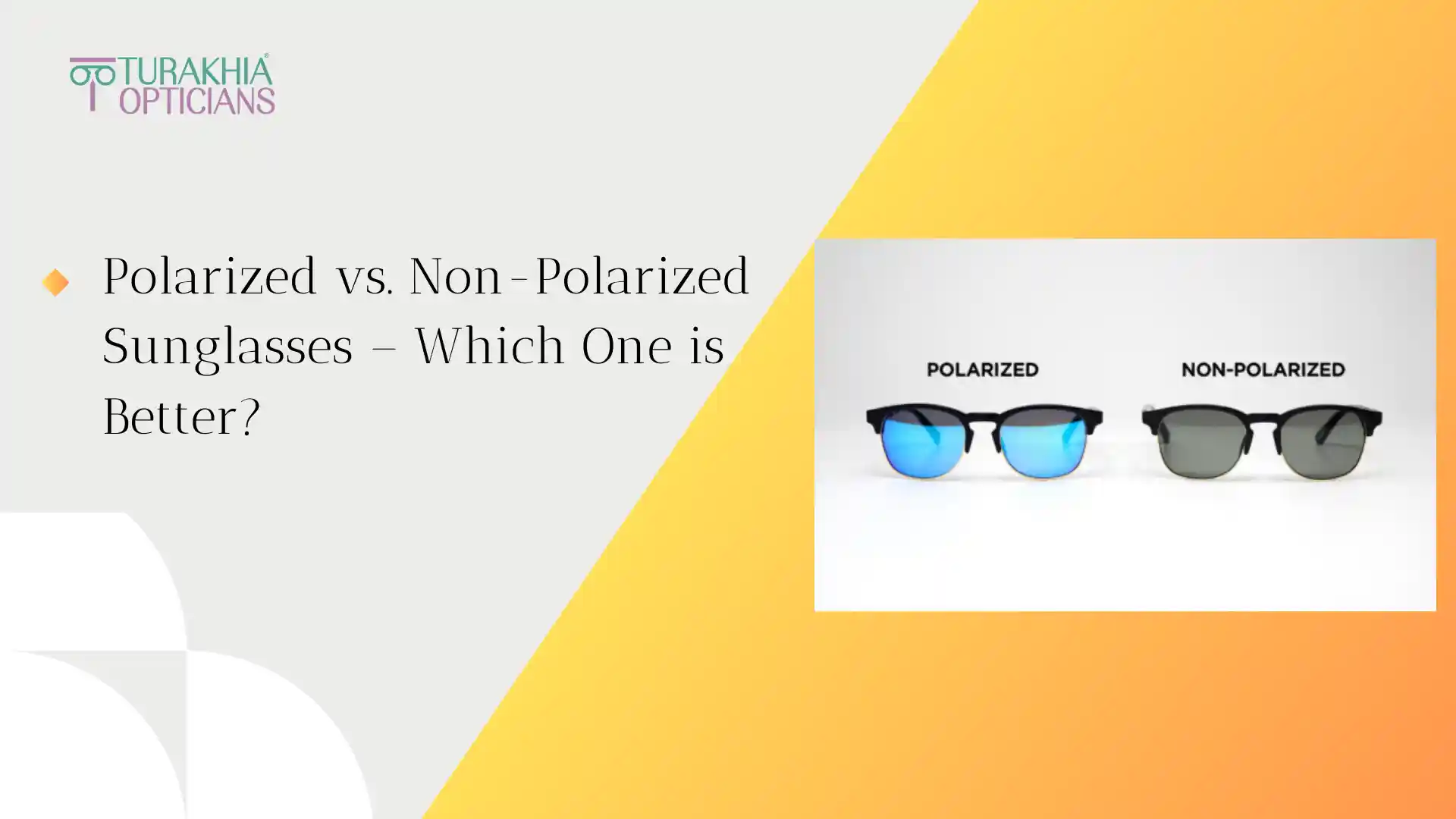
Do you ever feel like your sunglasses just aren’t doing enough? You step outside on a bright sunny day, and even with your shades on, you find yourself squinting. The road looks hazy, the water seems too bright, and everything feels a little uncomfortable. If this sounds familiar, then you might need to upgrade to polarized sunglasses. But wait- what does “polarized” even mean? And how is it different from the regular sunglasses you’ve been using all these years?
Don’t worry. In this blog, we are going to keep things simple. We will talk about polarized vs non polarized sunglasses, their benefits, their drawbacks, and most importantly, which one is better for you. By the end of this article, you will know exactly what to look for when buying your next pair of shades.
What Are Polarized Sunglasses?
Let’s start with the basics. Polarized sunglasses are special eyewear designed to reduce glare. Glare is that bright, annoying light that bounces off surfaces like water, roads, snow, or even the windshield of a car. When light reflects off these flat surfaces, it creates intense brightness that can hurt your eyes and make it hard to see clearly.
Think about driving on a hot summer day. You know that watery, shimmery effect on the road ahead? That’s glare. It not only bothers your eyes but also reduces contrast and clarity.
Polarized lenses have a special chemical coating that acts like a filter. This filter blocks the intense reflected light, allowing only useful light to enter your eyes. The result? You see more clearly, colours look richer, and your eyes feel more relaxed.
On the other hand, regular or non-polarized sunglasses simply darken everything. They reduce the overall brightness but do nothing to stop the glare. So if you are dealing with reflected light, regular shades might not be enough.
Polarized vs Non-Polarized Sunglasses – The Main Differences
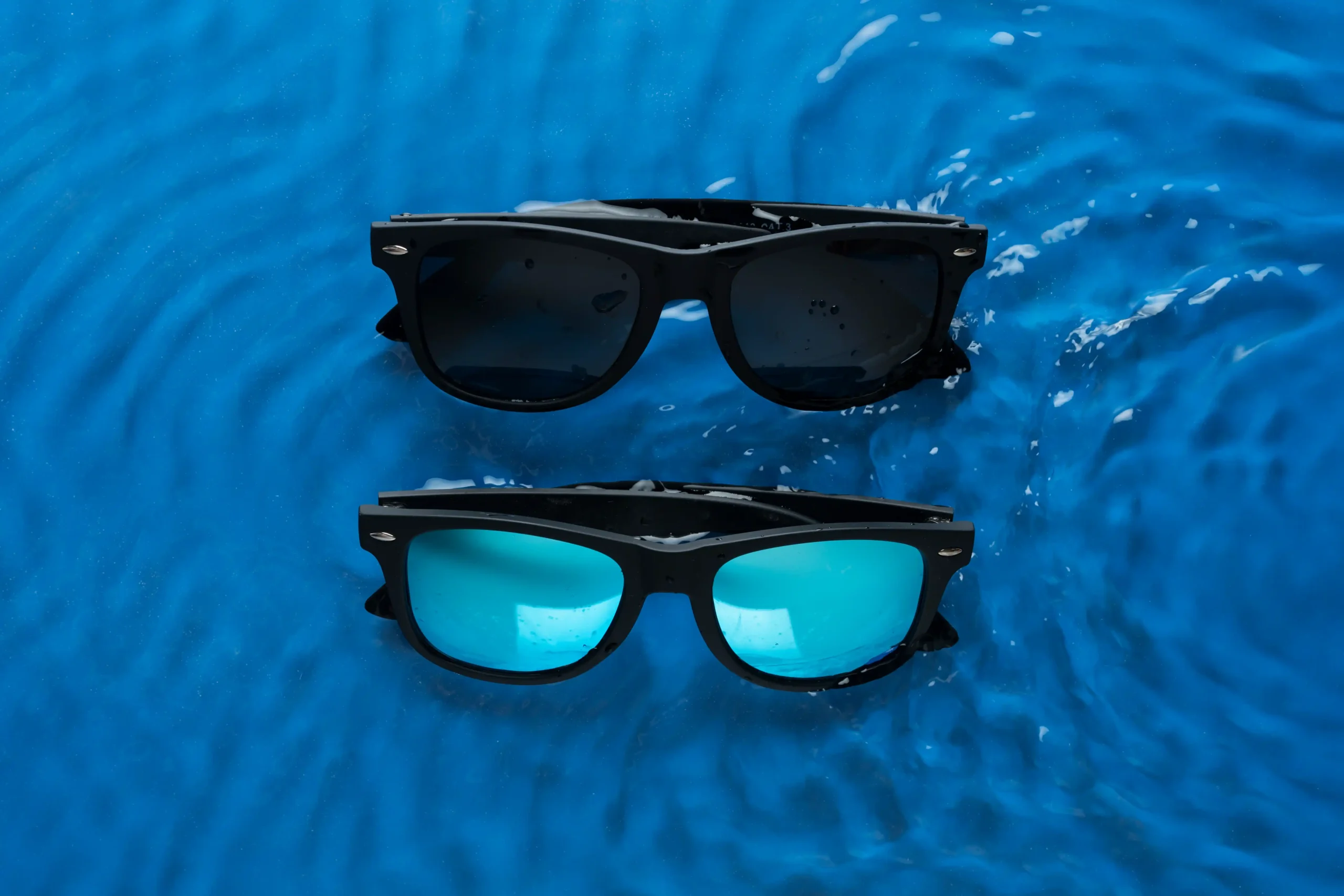
Now that you know what polarized lenses do, let’s break down the differences between polarized vs non polarized sunglasses in everyday life.
1. Outdoor Use
If you spend a lot of time outdoors, this is where the difference becomes very clear. Polarized sunglasses are built for the outdoors. Be it driving, fishing, hiking, or just walking on a sunny day, they cut through the haze and reflections. They make the world look sharper and more natural.
Non-polarized sunglasses, however, only act as a tint. They reduce brightness but do not remove the glare. So, while they protect your eyes from UV rays, they won’t help much with reflections off water or roads.
2. Driving During the Day
This is one area where polarized vs non polarized glasses really stand apart. When you are driving, sunlight reflects off the road, other cars, and even your own dashboard. These reflections can be distracting and even dangerous. Polarized lenses neutralize that glare, giving you a clearer and safer view of the road.
Non-polarized lenses cannot do this. They block UV light and reduce overall brightness, but the glare will still bother you.
However, there is a small catch. If you are driving in snowy or icy conditions, polarized lenses might make it harder to see icy patches. So, in that specific case, regular lenses could be safer.
3. Colours and Clarity
One of the coolest things about polarized lenses is how they make colours pop. Because they filter out scattered light, the colours you see are more vibrant and true to life. This is great for people who love nature, photography, or just want a richer visual experience.
Non-polarized lenses don’t offer this benefit. They simply darken the scene without enhancing the colours.
4. Screen Usage
Here is one place where non-polarized lenses win.
If you look at your phone, car dashboard, or an ATM screen while wearing polarized sunglasses, you might notice the screen looks weird. Sometimes it turns black, or shows rainbow colours, or becomes hard to read.
This happens because the polarization filter interferes with the light from digital screens. So if you are someone who uses gadgets a lot while outdoors, polarized vs non polarized lenses is an important consideration. For screen-heavy activities, non-polarized might be the better choice.
5. Price
Polarized sunglasses usually cost a little more than regular ones. Why? Because they have an extra coating and more advanced technology. But don’t worry- you don’t have to spend a fortune. There are great options available at every price point.
At Turakhia Eyewear, we offer a wide range of both polarized and non-polarized luxury sunglasses from different luxury brands. Whether you want a simple daily pair or something for a specific activity, we have you covered.
Which One Is Better? Polarized vs Non-polarized
So, after all this comparison, the big question remains- polarized sunglasses vs non-polarized, which one is better?
The honest answer is- it depends on you.
If you spend most of your time outdoors, driving during the day, near water, or in bright sunlight, then polarized sunglasses are the clear winner. They reduce eye strain, improve visibility, and make your time outside much more comfortable.
But if you work a lot indoors, use screens constantly, or need sunglasses for occasional use, non-polarized lenses are perfectly fine. They still protect your eyes from UV rays and come in many styles and colours. There is no right or wrong here. It’s all about your lifestyle.
How to Check If Your Sunglasses Are Polarized
If you already have a pair of sunglasses and want to know if they are polarized, here is a simple trick:
Find another pair of sunglasses that you know are polarized. Hold them in front of your eyes, and then hold your own sunglasses in front of them, at a 90-degree angle. Slowly rotate one of them. If the lenses darken or turn nearly black at certain angles, your sunglasses are polarized.
You can also look at a reflective surface like water or a car hood through your lenses. If the glare disappears, they are polarized.
When to Wear Polarized vs Non Polarized Sunglasses
Still confused about polarized vs non polarized sunglasses? Well, the choice becomes very easy when you understand where and how you will use them. Different situations need different types of lenses. Let’s make it even simpler. Here’s a quick guide:
Wear Non-Polarized Sunglasses When:
- You are skiing or in snowy areas (you need to see the ice)
- You are flying a plane (pilots avoid polarized lenses)
- You work with heavy machinery with digital screens
- You frequently check your phone or car display while wearing shades
Wear Polarized Sunglasses When:
- You are driving in bright sunlight
- You are fishing or near water
- You are biking or running outdoors
- You want better colour and contrast in bright conditions
- You are sensitive to light and get eye strain easily
Conclusion
Choosing between polarized vs non polarized sunglasses doesn’t have to be confusing. Both types protect your eyes from harmful UV rays, which is the most important thing. But if you want extra comfort, reduced glare, and better vision outdoors, polarized lenses are worth the investment. Think about where you spend your time and what you do most often. That will help you make the right choice.
At Turakhia Eyewear, we believe everyone deserves to see the world clearly and comfortably. We are here to help you find the perfect pair, whether you choose polarized or non-polarized. We have curated branded women’s and men’s luxury sunglasses to bring together high-end materials, and statement-making design. Visit us online or in-store to explore our collection and get expert advice tailored to your needs. Because at the end of the day, the best sunglasses are the ones that fit your life and your eyes.
Frequently Asked Questions
1. Is it bad to wear non-polarized sunglasses?
Not at all. Non-polarized sunglasses still protect your eyes from UV rays. They are a good choice for everyday use, especially if you don’t deal with a lot of glare.
2. Why do pilots avoid polarized sunglasses?
Pilots need to read cockpit instruments clearly. Polarized lenses can make digital screens and certain glass surfaces hard to see, which is risky during flights.
3. What colour polarized lens is best?
Gray is great for sunny, bright days because it keeps colours natural. Brown or copper lenses are good for overcast or winter conditions because they enhance contrast.
4. Does Turakhia Eyewear offer both polarized and non-polarized sunglasses?
Yes. At Turakhia Eyewear, we have a wide selection of both polarized and non-polarized sunglasses to suit every lifestyle and budget. Whether you need driving glasses, everyday shades, or prescription sunglasses, our team can help you find the right pair. Visit our store or browse our collection online to experience the difference yourself.




